Friday, April 14, 2023

- April 14, 2023

Buckle Up for the 12 Most Epic Ferrari Car Designs of All Time from Ai

Joe had been dreaming of owning a Ferrari car all his life. Whenever he passed by a Ferrari showroom, he would spend hours just looking at all the cars in there. One day, when Joe finally felt like he was financially secure enough to purchase one, he opened the door to the showroom only to find that all the cars had been replaced with motorcycles!


Thursday, April 13, 2023

- April 13, 2023

Rev Your Engines: The 8 Most Stunning Car Designs You Need to See!

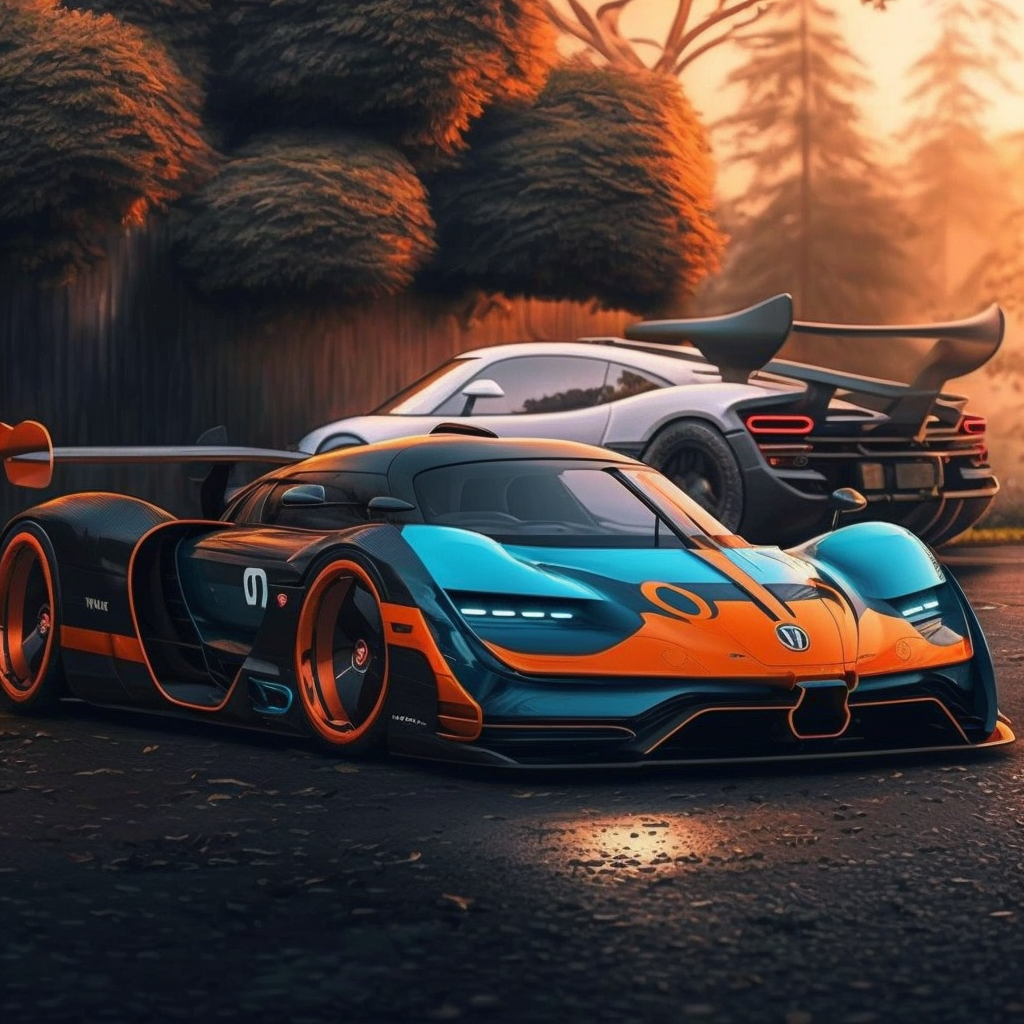
Cars have been around for over a century and the design of each model has evolved drastically over time. From the classic Ford Model T to the modern supercars, car designs continuously impress us with their stunning features. It's hard to pick which are the most stunning of all, but here we've compiled a list of the most iconic car designs that you need to see! From luxury sports cars to everyday vehicles, these car designs range from vintage models to futuristic concepts.


Here are The 12 Most Stunning Car Designs You Need to See.


1) The Bugatti Chiron has a sleek and aerodynamic design that matches its impressive speed capabilities. With its signature "C" shape and attention to detail, the Chiron is truly a work of art.

2) The Lamborghini Aventador SVJ boasts sharp angles and aggressive lines that reflect its powerful engine. Its carbon fiber body adds to its overall sporty aesthetic.


3) The McLaren Senna's unique design not only looks stunning but also serves a functional purpose in maximizing downforce for optimal performance on the track.


4) The Porsche 911 GT3 RS features an eye-catching color scheme with bold stripes and accents that highlight its race-inspired design. Its rear wing also adds to both aesthetics and functionality.


5) The Ford GT's low-slung profile and sculpted curves give it a timeless appeal, reminiscent of classic racing cars from decades past.


6) The Aston Martin Valkyrie takes futuristic design elements to the extreme with its cockpit-like interior and aerodynamic body, making it one of the most striking car designs on the market today.


7) The Koenigsegg Jesko's dynamic shape reflects its impressive speed capabilities, while intricate details such as butterfly doors add a touch of elegance to this supercar's overall appearance.


8) The Ferrari 488 Pista's aggressive front end and smooth curves make for an alluring combination, while air vents along the sides provide both style and function.


Wednesday, March 22, 2023

- March 22, 2023

Rev Your Engines: Get Ready for the Highly-Anticipated Honda Pilot 2023 Release Date!

The Honda Pilot has been popular for families since its launch in 2002. Known for its spacious interior, advanced safety features, and reliable performance, the Honda Pilot has become one of the top-selling midsize SUVs in the United States. 

As we approach the end of 2022, Honda has announced that it will release the 2023 Honda Pilot. This blog post will cover the release date, new features, and expected changes to the 2023 Honda Pilot.

Honda Pilot 2023 Release Date

Release Date


Honda has not yet announced an official release date for the 2023 Honda Pilot. However, based on previous release schedules, the 2023 Honda Pilot is expected to be available for purchase in late 2022 or early 2023. Production is expected to begin in the fall of 2022, with the first units arriving at dealerships soon after.

New Features


While Honda has not yet released full details on the new features of the 2023 Pilot, we know a few things. The vehicle is expected to come with a refreshed exterior design, including new front and rear bumpers, grille, and lighting. There may also be new wheel options and paint colors available.

On the inside, the 2023 Pilot is expected to have an updated infotainment system with a larger touchscreen display and improved connectivity features. The interior may also include new seating options and additional safety features.

Expected Changes


The 2023 Honda Pilot is expected to come with some significant changes. One of the most notable changes is possibly adding a hybrid powertrain. Honda has already introduced hybrid versions of other vehicles in its lineup, such as the Accord and CR-V, so it would not be surprising to see a hybrid Pilot.

Another possible change is the addition of more advanced safety features. Honda has been a leader in safety technology, and the 2023 Pilot could include even more features to keep drivers and passengers safe on the road.


The 2023 Honda Pilot is an eagerly awaited SUV that promises to build on the success of previous models. While Honda has not yet released full details, it is expected to come with new features, a refreshed design, and a possible hybrid powertrain. 

If you are in the market for a midsize SUV, the 2023 Honda Pilot is a vehicle to watch. Stay tuned for further updates on the release date and new features.

2023 honda pilot redesign

2023 Honda Pilot Redesign


The Honda Pilot has long been popular for families needing a spacious and reliable SUV. With the 2023 Honda Pilot redesign, Honda has updated the vehicle's exterior and interior, added new features, and even introduced a hybrid powertrain. We will delve into the details of the 2023 Honda Pilot redesign, highlighting its new features and changes.

Exterior Redesign


The 2023 Honda Pilot comes with a refreshed exterior design featuring a new grille, bumper, and headlights. The new grille is more prominent and gives the Pilot a more assertive look. The bumper has also been redesigned to give the SUV a more rugged appearance. 

The headlights now have a sleeker, more modern look and include LED lighting. The taillights have also been updated to include LED lighting, and new wheel designs are available.

Interior Redesign


The 2023 Honda Pilot's interior has also been redesigned, emphasizing comfort and convenience. The new Pilot now features a larger touchscreen display for the infotainment system, with improved graphics and functionality. 

The interior has more upscale materials, including a new dashboard design and improved seat materials. There is also a new center console with additional storage space, making it easier to keep your belongings organized.

New Features


The 2023 Honda Pilot has several new features, including a standard suite of advanced safety features. These features include adaptive cruise control, forward-collision warning, lane-departure warning, and automatic emergency braking. 

The new Pilot also features a wireless charging pad for compatible smartphones and a larger panoramic sunroof that lets in more natural light.

Hybrid Powertrain


One of the most significant changes to the 2023 Honda Pilot is the introduction of a hybrid powertrain. The new hybrid model combines a 3.5-liter V6 engine with an electric motor and a lithium-ion battery pack. 

The hybrid powertrain produces a total of 314 horsepower and 311 lb-ft of torque, making it one of the most powerful and efficient midsize SUVs on the market.

The 2023 Honda Pilot redesign offers significant improvements to an already popular SUV. With its updated exterior and interior design, new features, and hybrid powertrain, the 2023 Pilot is a top contender in the midsize SUV segment. 

If you're in the market for a family-friendly SUV with plenty of space, comfort, and advanced features, the 2023 Honda Pilot is definitely worth considering.

2023 honda pilot interior

Honda Pilot 2023 Hybrid

As the automotive industry continues to shift towards eco-friendly vehicles, Honda has taken a significant step with the release of the 2023 Honda Pilot Hybrid. 

This new model not only offers better fuel efficiency and lower emissions, but it also brings with it some innovative features that set it apart from other SUVs in the market. 

From the perspective of the car industry, the 2023 Honda Pilot Hybrid is a game-changer.

The new Pilot Hybrid offers a much-needed boost to Honda's SUV lineup, which previously lacked a hybrid option. With the rising popularity of hybrid and electric vehicles, it was imperative for Honda to introduce a hybrid version of its popular SUV. 

Introducing the Pilot Hybrid will help Honda stay competitive in the ever-changing automotive market and keep up with the demand for more eco-friendly options.

In addition to its hybrid powertrain, the 2023 Honda Pilot Hybrid boasts impressive performance capabilities. It produces 314 horsepower and 311 lb-ft of torque, making it one of the most powerful midsize SUVs on the market. 

The vehicle also comes equipped with an electric motor, which provides instant torque, giving drivers a smooth and responsive driving experience. These performance features demonstrate that hybrid vehicles can deliver both efficiency and power.

The 2023 Honda Pilot Hybrid offers innovative features that set it apart from other SUVs in the market. 

For instance, the vehicle has a new E-Active Shift System feature. This system uses the electric motor to adjust the transmission's shift timing, providing a smoother and more efficient ride. 

The Pilot Hybrid also comes with a push-button gear selector, making switching between driving modes easier.

The 2023 Honda Pilot Hybrid brings a much-needed shift in the SUV market. Its eco-friendly features and advanced technology set a new standard for other SUVs to follow. 

As the industry continues to move towards hybrid and electric vehicles, the Pilot Hybrid is a prime example of what can be achieved with cutting-edge technology and forward-thinking design.

In conclusion, the 2023 Honda Pilot Hybrid is a significant development for the automotive industry. It offers a much-needed boost to Honda's lineup, sets new standards for efficiency and power, and demonstrates the potential for eco-friendly SUVs. 

As the demand for hybrid and electric vehicles grows, the Pilot Hybrid is an important step towards a more sustainable future.

honda pilot 2023 hybrid

Honda Pilot 2023 vs 2023 Nissan Pathfinder

The 2023 Honda Pilot and the 2023 Nissan Pathfinder are popular midsize SUVs well-suited for families with kids. In this comparison, we will look closer at these two SUVs' features, performance, and safety to help you determine which is the better choice for your family.

Features


The Honda Pilot and the Nissan Pathfinder come with various standard features, including a touchscreen infotainment system, a rearview camera, and multiple USB ports.

However, the Honda Pilot has a larger touchscreen display and offers more advanced features, such as a wireless charging pad and a panoramic sunroof

The Pilot also has more standard safety features, such as adaptive cruise control, lane-keeping assist, and automatic emergency braking, making it a safer choice for families with kids.

Performance


The 2023 Honda Pilot has a standard 3.5-liter V6 engine that produces 280 horsepower and 262 lb-ft of torque. The Pilot also offers a hybrid powertrain that produces 314 horsepower and 311 lb-ft of torque. The 2023 Nissan Pathfinder has a 3.5-liter V6 engine that produces 284 horsepower and 259 lb-ft of torque. 

Both vehicles offer a smooth and comfortable ride, but the Pilot's hybrid powertrain offers better fuel efficiency and lower emissions.

Safety


The Honda Pilot and the Nissan Pathfinder are equipped with advanced safety features, including adaptive cruise control, lane-keeping assist, and automatic emergency braking. However, the Honda Pilot offers more advanced safety features, including forward collision and lane-departure warnings. 

The Pilot also has a higher safety rating, receiving a 5-star overall safety rating from the National Highway Traffic Safety Administration (NHTSA) and a Top Safety Pick+ rating from the Insurance Institute for Highway Safety (IIHS).

Interior Space


Both the Honda Pilot and the Nissan Pathfinder offer spacious interiors with comfortable seating for up to eight passengers. However, the Honda Pilot offers more cargo space, with up to 83.9 cubic feet of space with the rear seats folded down. The Pathfinder offers up to 79.5 cubic feet of cargo space, making it slightly less spacious than the Pilot.

Price


The 2023 Honda Pilot starts at a base price of around $33,000, while the 2023 Nissan Pathfinder starts at a base price of around $33,500. The price difference between these two SUVs is minimal, with the Honda Pilot offering more advanced features as standard.


When it comes to choosing between the 2023 Honda Pilot and the 2023 Nissan Pathfinder for families with kids, the Honda Pilot comes out ahead in several categories. It offers more advanced features, better safety ratings, and more cargo space, making it the better choice for families prioritizing safety, space, and advanced technology. However, the Nissan Pathfinder is still a solid choice for families who want a spacious and comfortable SUV with a competitive price tag.


Wednesday, November 16, 2022

- November 16, 2022

Can A Car Be Tracked By Its Navigation System?

GPS navigation system

If the car is equipped with a GPS navigation system, then it can be tracked by the system. The GPS will provide the location of the car at all times, and it can also be used to track the car's movements.

If you’re concerned about someone tracking your car, you might wonder if a car’s navigation system can track it. A car’s navigation system can be used to track it. However, remember a few things before you start worrying about someone tracking your every move.

  1. A car’s navigation system needs to be turned on to track it.
  2. A car’s navigation system can only track its location if connected to the Internet.
  3. A car’s navigation system can only track its location if its owner has permitted it to do so.

What is a Navigation System?


A navigation system is a technology that helps drivers get from point A to point B. It can be used for on-road navigation, which can help you find the quickest route to your destination, or off-road navigation, which can help you find your way if you're lost in the wilderness. Navigation systems use a variety of data sources, including GPS, to provide turn-by-turn directions.

Some navigation systems come installed in vehicles, while others are portable devices that can be moved from car to car. Many smartphones also have built-in navigation apps that can be used instead of a dedicated device.

While navigation systems are generally very accurate, they are not perfect. If you enter an incorrect destination into your nav system, it will likely give you incorrect directions.

How Does a Navigation System Work?


A navigation system is a device that helps a driver get from one place to another. There are two main types of navigation systems: those that use GPS and those that don't.

GPS-based navigation systems use satellites to determine the driver's location. The satellite sends a signal to the navigation system, which uses that information to calculate the best route to the destination. The driver can then follow the directions on the screen or through voice commands.

Non-GPS navigation systems usually come pre-loaded with maps of a particular area. The driver enters their current location and destination into the system and calculates the best route based on its map data. These systems can be less accurate than GPS-based ones, especially if there have been changes to the road network since the maps were last updated.

What are the Benefits of a Navigation System?


A navigation system is a great way to keep track of your car. It can help you find your way if you get lost, and it can also help you avoid traffic jams and other problems on the road. Navigation systems are becoming more and more common in cars, and they offer some benefits.

One of the main benefits of a navigation system is that it can help you save time. If you know where you're going, you can input the address into the navigation system, giving you the fastest route to your destination. This can be a huge time-saver, especially if you're unfamiliar with an area or if traffic is heavy.

Another benefit of a navigation system is that it can help you stay safe. If you're driving in an unfamiliar area, a navigation system can help you stay on the right path.

What are the Disadvantages of a Navigation System?


There are several disadvantages to having a navigation system in your car. A navigation system can be used to track your car's location, which means that the thief can be easily located if your car is stolen. 

If you're involved in an accident, the other driver can use your navigation system to find out where you live and potentially stalk you. Navigation systems can also be expensive, requiring regular updates to stay accurate. 

If you're not careful, it's easy to get lost while following a navigation system's directions, especially if it isn't very user-friendly.

How Much Does a Navigation System Cost?


A navigation system can cost anywhere from $100 to $1,000. The price will depend on the features you want and the brand you choose. For example, a basic navigation system may only include turn-by-turn directions, while a more advanced system may include traffic information and real-time updates.

If you're looking for a top-of-the-line navigation system, you can expect to pay around $1,000. However, there are many affordable options available that can still provide all of the essential features. 

When choosing a navigation system, you must consider your budget and what features are most important to you.

Is a Navigation System Worth the Investment?


Navigation systems can be very helpful if you're unfamiliar with an area or are looking for a specific destination. They can also be a lifesaver if you're lost or stranded somewhere.

However, navigation systems can also be expensive, requiring regular updates to stay accurate. Additionally, if your car is stolen, the navigation system could be used to track its location. 

So while there are some benefits to having a navigation system in your car, it's ultimately up to you to decide whether or not it's worth the investment.

How Often Should I Update My Navigation System Maps?


Your car's navigation system is only as good as its maps. If you don't update your maps regularly, you risk using outdated information and getting lost.

So how often should you update your navigation system maps? The answer depends on a few factors, including how often you use your navigation system and how quickly roads change in your area.

If you live in an urban area where roads are constantly changing, you'll need to update your maps more frequently than someone who lives in a rural area with few new developments. Likewise, if you use your navigation system several times a week, you'll need to update it more often than someone who only uses it occasionally.

Most navigation systems will notify you when new updates are available, so it's just a matter of staying on top of things and keeping your maps up-to-date.

Can My Car's Navigation System Be Hacked?


Yes, a car's navigation system can be hacked, and this attack is becoming more common. Navigation systems are attractive targets for hackers because they often contain sensitive information, such as addresses and credit card numbers. In addition, navigation systems are usually connected to the internet, which gives hackers another way to gain access to the system.

There are several ways that hackers can exploit a car's navigation system. One method is to send false information to the system, which can cause the car to take a detour or even stop working altogether. Another way is to use the navigation system to track the car's location. 

This attack is particularly concerning because it could be used for theft or other criminal activity.

Fortunately, there are some steps that you can take to protect your car's navigation system from being hacked.

Update the Software

The best way to protect your car's navigation system is to ensure that it has up-to-date software. This will help prevent the system from being exploited by hackers, who often look for security flaws in older software versions. 

To check if the software on your car's navigation system is up-to-date, you can usually find a "System Information" or "About" option in the Settings menu. If there isn't one in the menu, try looking under the Support section of your car manufacturer's website.

What Happens if My Car's Navigation System Breaks Down?


If your car's navigation system breaks down, you may be able to get by without it if you know your way around the area. However, a broken navigation system can be a major inconvenience if you're in an unfamiliar place. 

In some cases, you may be able to find your way by following the GPS signal on your phone. However, if your phone's battery dies or there is no cell service in the area, you could be stranded.

If you have a subscription to a navigation app like Waze or Google Maps, you may be able to use that instead of the built-in navigation system in your car. However, you'll need to rely on old-fashioned maps if you don't have a subscription. 

While it may take longer to get where you're going without a navigation system, at least you'll eventually get there.

Should I Get a Portable or Built-In Navigation System for My Car?


There are a few things to consider when deciding whether to get a portable or built-in navigation system for your car.

Portable navigation systems are typically less expensive than built-in systems and offer the flexibility of transferring the device from one car to another. However, portable devices can be more easily stolen, and they may not offer the same level of integration with the car's other systems.

Built-in navigation systems tend to be more expensive, but they're also harder to steal and often offer features that portable devices don't, such as hands-free operation and integration with the car's audio and climate control systems.

In conclusion, a car can be tracked by its navigation system. However, it is important to remember that this information should be used responsibly and with the permission of the owner of the car. 

Car owners should be aware of the possibility that their cars could be tracked and take steps to protect their privacy if they are concerned about it.

Friday, October 28, 2022

- October 28, 2022

Why is Synthetic Oil Better for Engines?

Synthetic oil

Synthetic oil is better for your car and can also help improve your gas mileage. Here are three reasons why:

1. Synthetic oil is more durable than regular oil. It can withstand higher temperatures and last longer, so you won't have to change your oil often. This can save you money in the long run.

2. Synthetic oil is more efficient than regular oil. It lubricates better and doesn't break down as quickly, so your engine runs more smoothly and efficiently. This can improve your gas mileage by up to 5%.

3. Synthetic oil is better for the environment. Because it lasts longer and doesn't break down as quickly, less synthetic oil ends up in landfills or is burned off into the atmosphere.

What is synthetic oil? Engineered to perform.


When it comes to your car’s engine, you want the best of the best. That’s why synthetic oil is a great option for those looking to get the most out of their engine. Synthetic oil is designed to perform better than conventional oil, providing your engine with superior protection and lubrication. 

Here’s a look at why synthetic oil is the way to keep your engine running smoothly.

Synthetic oil is man-made, meaning that it’s designed specifically for engines. Conventional oil is made from crude oil, which contains impurities that can damage your engine over time. 

On the other hand, synthetic oil undergoes a refining process that removes these impurities, resulting in a purer product that’s less likely to cause harm to your engine.

The benefits of synthetic oil: Lasts longer, cleaner, better performance.


Synthetic oil is a man-made lubricant with many benefits when used in engines. One advantage is that it lasts longer than a traditional oil, which means you can go longer between changes. It also runs cleaner, which helps keep your engine running better and improves fuel economy. Overall, synthetic oil provides better performance for your car.

Why conventional oils aren't as good: Can't stand the heat.


Many wonders if their conventional oil can stand the heat as temperatures continue rising. Unfortunately, the answer is no. Here's why:

Conventional oils are made from crude oil that is refined and then blended with other chemicals. This process leaves behind impurities that can clog engines and cause wear and tear.

On the other hand, synthetic oils are made from pure molecules that are carefully combined to create a more durable product. This results in an oil that can better withstand high temperatures and protect your engine.

So synthetic is the way to go if you're looking for an oil that can withstand heat.

Why is Synthetic Oil More Expensive?


While the initial cost of synthetic oil may be higher than that of traditional oil, the benefits of synthetic oil far outweigh the costs. Synthetic oil is designed to last longer and protect your engine better than traditional oil, so you won’t have to replace it often. 

In addition, synthetic oil can help improve fuel efficiency and reduce emissions.

So why is synthetic oil more expensive? The answer lies in the production process. Synthetic oil is made by synthesizing base oils, which are combined with other additives to create a finished product. 

This process is more complex and costly than refining crude oil, but the result is a superior product worth the investment.

Does synthetic oil actually last longer?


While conventional oil is refined from crude oil, synthetic oil is man-made. Synthetic oil lasts longer because it’s less likely to break down under extreme conditions. It also flows more easily in cold weather and can withstand higher temperatures than conventional oil. 

So, does synthetic oil actually last longer?

U.S. Department of Energy found that synthetic motor oils outperformed conventional oils in engine wear and deposit formation tests. The study also found that synthetic oils were better at maintaining viscosity (a measure of an oil’s ability to flow) at high temperatures.

Does synthetic oil clean sludge?


Synthetic oil is often a more effective and longer-lasting option for motor oil. But does it also have the ability to clean sludge better than conventional motor oil?

Sludge is a common issue in engines and can be difficult to remove. Synthetic oil may help, as it flows more easily and resists breakdowns. This means it can help dislodge and remove any build-up of sludge in an engine.

It is important to note that while synthetic oil can help to clean sludge, it will not prevent it from happening in the first place. Sludge can still form in synthetic oil engines, so regular maintenance and care are essential.

What cars should use synthetic oil?


Many benefits come with using synthetic oil in your car. For one, it can help improve your gas mileage because it is thinner than regular oil and thus lessens friction. It also does a better job of protecting your engine by resisting breakdowns at high temperatures. 

Finally, synthetic oil usually lasts longer than regular oil, so you won’t have to get your oil changed as often.

You should keep a few things in mind if you want synthetic oil in your car.

  • Check your car’s owner’s manual to see if it recommends synthetic oil. If it does, you can be sure that synthetic oil will not void your warranty.
  • Remember that synthetic oil is typically more expensive than regular oil, so you must budget accordingly.

Can I mix synthetic and regular oil?


You can mix synthetic and regular oil if you top off your oil regularly. However, it's best to use the same type of oil in your car to avoid compatibility issues.

Topping off your oil regularly, you can mix synthetic and regular oil. However, it's always best to use the same type of oil in your car to avoid compatibility issues. You don't want to run into any problems down the road, so it's better to be safe and stick with one type of oil.

How do I know if I need synthetic oil?


The easiest way to know if your car needs synthetic oil is to consult your car’s owner’s manual. Many automakers require synthetic oil for some of their vehicles, particularly those with turbocharged engines or frequently driven in stop-and-go traffic. 

If you don’t have your owner’s manual handy, you can check with your dealership or the automotive technician who services your car to see if they recommend synthetic oil.

The bottom line: Your car will run better with synthetic oil.


When it comes to motor oil, synthetic oil is often considered the best option for optimal performance.

Here’s why:

Synthetic oil is designed to withstand higher temperatures and protect against deposits better than conventional motor oil. It also does a better job of lubricating moving parts, improving gas mileage and engine performance.

Synthetic oil is a good option if you’re looking for an oil that will help your car run better.

Sunday, September 11, 2022

- September 11, 2022

What Every Driver Must Know Worksheet Answers (Important)

What Every Driver Must Know Worksheet Answers

There is a lot of information about how to take care of your car. Not all of it will apply to you, though. It all depends on the make and model of your vehicle, as well as your driving habits.

The best way to figure out what you need to do to keep your car running smoothly is to consult your owner’s manual. It will have specific information about the maintenance schedule for your particular vehicle.

In general, though, there are some basic things that all drivers should do to keep their cars in good shape. These include things like regularly checking the oil level and tire pressure and keeping the interior and exterior clean.

If you take care of your car, it will take care of you.

Driver must know what to do in an emergency.


Although most drivers hope they will never have to experience an emergency while on the road, it is important to know what to do if one should occur. If you are in an emergency, the best thing to do is remain calm and take a deep breath. 

Then, assess the situation and determine whether or not you can safely move your vehicle off the road. If so, do so and turn on your hazard lights. Once you are in a safe location, call 911 and wait for help to arrive. If you cannot move your vehicle, do not attempt to do so and instead wait for help to arrive. 

In either case, it is important to stay calm and follow the instructions of the first responders when they arrive on the scene.

When an emergency situation arises on the road, it is important to stay calm. If a driver panics, it can make the situation worse.

The driver should assess the situation and see if there are any immediate dangers, such as a fire or a leaking fuel line. If it is safe, the driver should move the vehicle to the side of the road and turn on its hazard lights.

If passengers are in the vehicle, the driver should check on them to see if they are injured and need assistance. Once everyone is safe, the driver can then call for help. It is important to give as much information as possible when calling for help, such as location, number of passengers, and what type of assistance is needed.

When your car breaks down, it can be a frustrating and even scary experience. But it's important to remember that help is just a phone call away. Whether you have roadside assistance or an automatic call-in service, help will eventually arrive. 

In the meantime, you can do a few things to stay safe and make the most of a bad situation.

If you're on the side of the road, turn on your hazard lights so that other drivers can see you. If it's dark out, you may also want to set up flares or reflective triangles to make yourself more visible. Once you're safely off the side of the road, it's time to call for help.

Call them if you have roadside assistance and tell them where you are and what happened.

Driver Understand How Your Safety Systems Work.


The safety of our vehicles is always improving thanks to features like automatic breaking. But do we really understand how these systems work? A recent study found that 1 in 3 drivers don't know how their car's automatic breaking system works. This lack of understanding can lead to serious consequences.

We are less likely to trust when we don't know how something works. This means that we may not use the safety features in our cars as often as we should. For example, if you're not sure how your car's automatic breaking system works, you might not use it as often as you should. This could lead to an accident.

It's important to take the time to understand how your car's safety features work. You can talk to your dealer or read your car's manual to learn more about these systems.

In a crash, your body is suddenly thrown forward. If you're not wearing a seat belt, you could be ejected from the vehicle or thrown into something inside the car, like the steering wheel.

Airbags are designed to deploy in moderate to severe frontal or side collisions. They inflate quickly and help restrain your body, so you don't hit anything inside the car.

Knowing how these safety features work is vital so you can be appropriately restrained in a crash is important. Wearing a seat belt and ensuring all passengers are buckled up is the best way to prevent injuries and save lives.

Carry Your Vehicle Owner’s Manual.


Your vehicle's owner's manual is full of important information about your specific car and what to do in an emergency. This includes knowing how to jump-start your vehicle, change a tire, or even fix a flat. It is important to familiarize yourself with this information to be prepared for a breakdown.

In addition to emergency information, your owner's manual will also have valuable tips for maintaining your vehicle. This can help you avoid costly repairs down the road. It is important to read through your manual and follow the recommended maintenance schedule for your car. This will keep it running smoothly for years to come.

Know How To Inspect, Maintain, And Change Tires


Carrying a tire pressure gauge is an important step in maintaining the safety and longevity of your tires. Inspecting your tires regularly for signs of wear is also crucial. Here are a few tips on how to properly inspect, maintain, and change your tires:

  1. Check your tire pressure regularly. Doing so will help you extend the life of your tires and prevent flats.
  2. Inspect your tires for any signs of damage or wear. If you see any cracks, bulges, or bald spots, it's time to replace your tire.
  3. When changing a tire, use the appropriate size and type of replacement tire. Using the wrong size or type of tire can be dangerous.

Tire maintenance is something every driver should know how to do, even if they never have to change a tire themselves. Inspecting, maintaining, and changing tires is not difficult, but it is important to know how to do it correctly to keep yourself and your vehicle safe.

Here are some tips for inspecting, maintaining, and changing your tires:

  • Inspect your tires regularly for any signs of wear and tear, such as cracks or bald spots.
  • Keep your tires properly inflated according to the manufacturer's recommendations.
  • If you need to change a tire, make sure you have the correct tools and equipment for the job. You will need a jack and a lug wrench.

Know How To Check The Fluids In Your Car.


Most people don’t check their fluids as frequently as they should. Like checking your tires, checking your fluids can prevent problems down the road.

If your car is low on fluids, it could be in for some serious trouble. Checking and changing your fluids is an important part of routine maintenance that can save you time and money in the long run. Here's what you need to know about checking the fluids in your car.

  1. Coolant (also called antifreeze).The coolant in your car or truck is used to keep the engine from overheating.
  2. Check the fluid levels in your engine. Ask a qualified mechanic if you're unsure what fluid is used in your vehicle.
  3. Check under the hood to make sure nothing is blocking the airflow around the radiator and heater hoses.
  4. Check the level of the windshield washer fluid. Washer fluid is used to clean your windshield and keep it free from debris that could scratch or crack it.
  5. Check the level of brake fluid. If you're not sure what brake fluid is used in your vehicle, ask a qualified mechanic.
  6. Check the battery charge level. A discharged battery can affect the operation of your car s electrical system.

Know How To Check And Replace Fuses


Fuses are an essential part of any electrical system. They protect against overcurrent and short circuits. If a fuse blows, it must be replaced with a new one. Checking and replacing fuses is not tricky, but it does require some basic knowledge.

Checking and replacing fuses is easy, but you need to consult your owner's manual to find out where the fuse box is located. Newer cars typically have the fuse box under the hood, but older cars might have it in the trunk or under the dashboard.

Once you've found the fuse box, open it up and locate the blown a fuse. The wire inside the fuse will be broken, so you'll need to replace it with a new one of the same amperage. Once you've replaced the fuse, close up the box and start your car. If everything is working correctly, the new fuse should blow.

Driver Know How To Check Computer Codes


If your vehicle doesn’t show you the codes on your dash, there is a simple way to check them. With an OBD-II reader, you can plug into your car and read the codes stored on its computer.

This is important because these codes can tell you what is wrong with your car. If the check engine light is on, a code is associated with it. By reading the code, you can often figure out the problem and fix it yourself.

Not all cars have OBD-II readers, but most do. If yours doesn’t, you may be able to find one at an auto parts store or online. They are relatively inexpensive and easy to use.

Know How To Properly Jump-start Your Vehicle


If your vehicle doesn’t start, you may need to jump-start it.

You'll need to jump-start your car with a dead battery. This process is relatively easy, but it's important to do it correctly to avoid damaging your car.

First, ensure that both cars' batteries are in good condition. If the battery on the working car is old, it may not have enough power to jump-start the other car. Second, connect the jumper cables in the following order: positive (red) to positive, negative (black) to negative. 

Finally, start the working car and let it run for a few minutes before starting the car with the dead battery.

Jumping a car is simple, but it's important to do it safely. Follow these steps, and you'll be back on the road in no time.

Know How To Fuel Your Car.


Most of the time, we put gasoline in our cars. It's what most car engines are designed to use. But there are other fuels available that can power your vehicle. These include E-85, methanol blends, biofuels, and high-octane types of gasoline.

E-85 is a blend of 85% ethanol and 15% gasoline. It can be used in flex-fuel vehicles specially designed to run on E-85. Methanol blends are similar to E-85 but contain methanol instead of ethanol. 

Biofuels are made from plant materials and can be used in any vehicle that runs on gasoline. High-octane types of gasoline have a higher octane rating than regular gasoline and can improve your car's performance. 

Read the Label Most fuels are sold in cans or plastic jugs containing 10, 25, or 50 gallons. Before filling up your tank, ensure the power is approved for use in your vehicle. You could damage your engine and void your warranty if it isn't.

Own A Shop Manual.


If you own an older car, it's important to ensure that you have a shop manual. This book contains information on how to fix and maintain your vehicle. Having this book can be very helpful when you need to make repairs or do maintenance on your car. 

Even if you are not planning on keeping your vehicle for a long time, having a shop manual can still be beneficial. This way, you will know how to care for your car and make any necessary repairs properly. Many websites offer free online manuals if you cannot afford to buy a shop manual. 

You can also check with your local library or see if they have any available for borrowing.

What are your basic responsibilities as a driver?


As a driver, you have a responsibility to drive safely, obey traffic laws, and respect the rights of other drivers. It is your responsibility to yourself and others to do these things, and it's also the law.

Driving safely means always being aware of your surroundings and knowing what other drivers are doing. Obeying traffic laws means following the posted speed limit and yield signs and using turn signals when changing lanes or turning. 

Respecting the rights of other drivers means giving them the space they need to safely maneuver their vehicles and not trying to pass them when it's not safe to do so.

If everyone on the road followed these basic responsibilities, fewer accidents would occur. So next time you're behind the wheel, ensure you're doing your part to keep everyone safe.

Thursday, August 25, 2022

- August 25, 2022

Why My Car Smells Like Rotten Eggs? (Something Wrong?)

Car Smells Like Rotten Eggs

If your car smells like rotten eggs, it could be due to a faulty fuel filter or fuel pressure sensor. These components are responsible for regulating the flow of fuel to the engine. Too much fuel can flood the catalytic converter with oil if they're not working properly. This will cause the converter to overheat and break down, resulting in a foul smell. 

In some cases, the smell may also be caused by a leak in the exhaust system. If you suspect any of these issues, it's important to have your car checked out by a mechanic as soon as possible.

A car that smells like rotten eggs can be a cause for concern. There are a few reasons why this may be happening.

  1. It could be something as simple as a dirty air filter. If the air filter is not clean, it can cause the engine to smell bad.
  2. The problem could be with the catalytic converter. If the converter is not working properly, it can cause the exhaust to smell bad.
  3. There could be a problem with the fuel system. If the fuel system is not working properly, it can cause the engine to run lean and produce a strong sulfur smell.
  4. If you are concerned about your car smelling like rotten eggs, you should take it to a mechanic to have it checked out.

Car Smells Like Rotten Eggs When Ac Is On


If your car smells like rotten eggs when the AC is on, it's likely because the catalytic converter isn't doing its job. The catalytic converter is responsible for transforming the harmful gas hydrogen sulfide into harmless sulfur dioxide. 

When the converter isn't functioning properly, the hydrogen sulfide gets released into the air, causing that familiar rotten egg smell.

A few things can cause a catalytic converter to stop working properly. One common issue is a clogged filter. The filter can become clogged with debris over time, preventing the gas from properly converting. Another possibility is a faulty oxygen sensor. 

The oxygen sensor monitors the air-fuel mixture going into the engine. If it senses too much oxygen, it will adjust the mixture accordingly. But if the sensor is malfunctioning, it can cause problems with the catalytic converter.

The catalytic converter is an important part of your car's emissions control system and can cause problems if it isn't working correctly. In most cases, a bad catalytic converter will need to be replaced.

Rotten egg smell in car when heater is on


When you turn on your car heater and are greeted with a rotten egg smell, it's time to take action. This smell is caused by a build-up of sulphur in the engine and is a sure sign that your car is due for service.

If you ignore the problem, sulphur will continue to build up and cause corrosion. This can lead to expensive repairs down the line, so it's best to nip the problem in the bud.

It's likely due to a problem with the fuel system. The catalytic converter is often the culprit, as it can cause sulfuric gases to build up in the engine. 

If these gases aren't properly vented, they can escape into the car's cabin and cause that foul smell. Other fuel system parts, such as the fuel injectors or fuel pump, can also malfunction and cause this issue. 

In any case, it's best to have your car checked out by a mechanic to diagnose and fix the problem.

How to get rid of egg smell in car


If you're one of the unlucky ones who's had the pleasure of dealing with a rotten egg smell in your car, you know how difficult it is to get rid of. 

The stench seems to linger for days, no matter how many times you air out your car or try to mask the smell with air fresheners. But there are some things you can do to get rid of the stink for good. Here are a few tips on how to get rid of the rotten eggs smell in your car. What Causes the Smell?

The first thing you need to do is figure out where the smell is coming from. If it's a musty, mildew smell, that's something totally different from a rotten egg odor.

If it's coming from the engine, it could be a problem with the catalytic converter. If it comes from the interior, it could be something left in the car or spilled on the upholstery.

Once you've located the source of the smell, take action to remove it. If it's something that can be wiped up or vacuumed, do so immediately. If it's coming from the engine, have it checked by a mechanic. If it's coming from the upholstery, take it to a professional upholstery cleaner. 

Once you've figured out the source of the smell, you can start working on getting rid of it for good.

Can I drive my car if it smells like rotten eggs?


If your car smells like rotten eggs, it's a sure sign of serious mechanical problems. This foul odor is usually caused by a leak in the exhaust system, which can allow sulfuric gases to enter the car's cabin. In addition to being incredibly unpleasant, these gases can be dangerous to your health. 

If you notice this smell in your car, it's best to take it to a mechanic and have it checked out as soon as possible.

It's not uncommon for a car to smell like rotten eggs. If this is the case, it's important to figure out the source of the problem before driving the vehicle. There are a few potential causes of this problem, and each one needs to be addressed differently.

If the smell comes from the engine, it could be a problem with the catalytic converter. This serious issue should be fixed by a mechanic as soon as possible. If the smell is coming from inside the car, it could be due to a problem with the air freshener. 

This is an easy fix - simply remove the air freshener and clean the area where it was located.

In most cases, driving your car is safe if it smells like rotten eggs.

How do you neutralize rotten egg smell?


If you've ever had the misfortune of smelling rotten eggs, you know how potent and offensive the odor can be. But what causes this stench, and more importantly, how can you get rid of it?

The sulfuric smell of rotten eggs is caused by hydrogen sulfide gas. This gas is produced when certain materials decompose in water. When this gas is present in high enough concentrations, it can be very dangerous.

Fortunately, there are a few ways to neutralize the smell of rotten eggs.

Vinegar


Vinegar is acidic, and the acidity will neutralize the sulfur smell. Just pour some vinegar into a bowl and place it near the source of the scent. You can also soak a cloth in vinegar and place it over your nose and mouth if the smell is too strong.

Baking soda


Baking soda is alkaline, so it will react with sulfur to neutralize the odor. Just sprinkle some baking soda on a surface or in a bowl and place it near the source of the smell.

Sunday, August 7, 2022

- August 07, 2022

Can You Keep A Jump Starter In Your Car? (Explained)

Can You Keep A Jump Starter In Your Car

A jump starter is a great tool to have in case of an emergency. They can be used to start your car in case of a dead battery or if you are stranded on the side of the road. However, jump starters can be dangerous if they are not used properly. Make sure to keep your jump starter in a safe place, and be aware of the amount of power it has.

In the winter, sub-zero temperatures can cause a battery to freeze; in the summer, high temperatures can lead to a battery meltdown. That's why it's important to take extra care of your car jump starter – especially during the winter and summer months.

Store your car jump starter at a cold dry temperature, between 50 F and 70 F (10 and 21 degrees Celsius). This will help keep the battery in good condition and extend its life span. Make sure to keep your car jump starter away from direct sunlight and heat sources, as these can also damage the battery.

But, can you keep a jump starter in your car?

The answer is yes; you can keep a jump starter in your car. However, there are some things you need to keep in mind. First, make sure that the jump starter is fully charged before you put it in your car. Second, ensure that the jump starter is in a place where it will not get wet. And finally, make sure that the cables are properly stored, so they don't get tangled up with other items in your car.

Where should I store my jump starter?


A jump starter is a small, battery-powered device that can be used to start a vehicle. It is important to keep your jump starter in a safe place, away from the elements and other potential sources of damage. It would help if you stored your jump starter in a cool, dry location.

Storing it in a cold environment will help the battery stay charged for a longer period.

A jump starter is a device used to start a car when the battery is dead. They come in all shapes and sizes, but they all have one thing in common: they must be stored in a cool, dry place

A jump starter stored in a hot, humid environment will not last long. The best place to store a jump starter is a cold place, such as a garage or basement. The temperature should be between 10 and 20 degrees Celsius (50-68 degrees Fahrenheit).

Do I need a jump starter?


You're driving to work, and your car dies. You open the hood and find that the battery is completely dead. What do you do? You can easily jump-start your car if you have a jump starter pack. But not everyone knows how to use a jump starter pack, and not everyone has one.

Anyone who drives a car might need a jump starter pack at some point. But some people are more likely to need them than others. For example, people who drive in cold weather are more likely to need a jump starter pack because the cold weather can cause batteries to die. 

People who drive in hot weather are also more likely to need a jump starter pack because the heat can cause batteries to die.

In an emergency situation, a jump starter can be a lifesaver. If you're stranded with a dead battery, a jump starter can get you up and running again in minutes. But do you really need one?

If you drive regularly and your car is more than a few years old, the answer is probably yes. A jump starter is a small investment that can help you avoid being stranded on the side of the road. 

And even if you don't think you'll ever need it, having one in your car can give you peace of mind in case of an emergency.

Jump starters are also useful for motorcycles, boats, and other vehicles with smaller batteries. If you're unsure whether you need a jump starter, consult your vehicle's owner's manual or talk to your local auto mechanic.

What size portable jump starter do I need


The best way to determine what size portable jump starter you need is to look at your vehicle. Factors that will influence this decision include the battery size, weight, and purpose of the jump starter. Additionally, some models have multiple outputs, so it is important to determine which one you need.

Most portable jump starters range in size from 400 to 600 amps. 

This is the amount of power that the unit can produce, and it's important to select one that is powerful enough to start your vehicle. If you have a large truck or SUV, you'll want to opt for a unit with a higher amp rating. 

Conversely, a unit with lower amps will be sufficient if you have a smaller car.

Can jump starters catch fire?


There is a risk that a lithium battery in a jump starter could overheat and catch fire. Jump starters use a lithium battery to start a car's engine; if that battery overheats, it could cause the jump starter to catch fire. 

This is especially a concern if the jump starter is left in the car after it has been used. A battery can overheat if it is damaged, exposed to too much heat, or if it is overloaded. If your lithium jump starter gets too hot when used, remove it from the car and let it cool down. 

If you are concerned that the battery might be damaged, do not attempt to recharge it. Instead, contact a qualified service provider for help.

Are portable jump starters worth it?


Portable jump starters can also be used as a backup power source in an emergency. However, there are some considerations you should make before buying one. 

First, look for a portable jump starter with enough power to start your vehicle. 

Second, find out how much the jumpstart will cost you in terms of time and money. 

Finally, research whether or not the jumpstarter is durable and if it has any warranty coverage. 

In the event of a power outage, having a jump starter can come in very handy. 

However, is it worth spending the money on a portable jump starter? Some people say they are worth the investment, while others say they are unnecessary. Ultimately, it depends on your needs and what you think is important regarding emergency preparedness.

Portable jump starters are a great way to keep your car running in an emergency. If you run out of gas or your battery dies, a portable jump starter can be a lifesaver. 

They are also great for starting cars on cold days. However, they are not always worth the money. A portable jump starter may not be worth the cost if you only use your car occasionally. 

But if you use your car regularly, a portable jump starter is a smart investment that can help keep you safe in an emergency.

Does jump starting a car drain your battery?


When your car won't start, it can be frustrating. You may be tempted to use jumper cables to jump-start your car, but this can damage your battery. Jump starting a car does not drain your battery and is a better option than jumper cables.

How long does a portable jump starter last?


A portable jump starter is a great tool to have if you are ever in a situation where you need to start a car. However, like any other electronic device, the battery life of a jump starter can be short-lived. So how long does a portable jump starter last? 

Generally, the battery will last between two and four charges depending on the model.

Most people think that when they buy a new battery, it will last forever. The fact is that most batteries have a lifespan of 2-4 years, which is about 300-500 full charge cycles. 

This means that if you use your battery every day, it will last for about a year and a half to two years. After this time, the battery will start to lose its ability to hold a charge and will need to be replaced.

What is lithium battery?


A lithium battery is a type of battery that uses lithium ions to store energy. The lithium ions are stored in a liquid electrolyte, and when the battery is discharged, the lithium ions move from the negative electrode to the positive electrode. 

This process creates an electrical current that can be used to power devices. Lithium-ion batteries are popular because they have a high energy density and are lightweight. They are also relatively stable and have a long lifespan.

Lithium-ion batteries are rechargeable batteries that use lithium ions to store energy. They are a type of lithium battery. Lithium-ion batteries are used in many consumer electronics, including cell phones, laptops, and tablets.

What amp Portable jump starter do I need?


Most people don't realize how important it is to have a reliable amp portable jump starter when stranded in the middle of nowhere. 

Whether you're just trying to get home from work or out on a camping trip, having an amp portable jump starter can be the difference between making it and not making it. 

There are several different types of amps for sale on the market, so choosing the one that best suits your needs is important.

When looking for a portable jump starter, you'll need to consider how many amps your vehicle needs. Most vehicles need 400 to 600 amps. 

Be sure to check your owner's manual to determine your vehicle's specific requirements. Some jump starters are more powerful than others, so you'll want to ensure you get one that can handle your car's needs.

Another thing to consider is the size of the jump starter. Some are small enough to fit in your car, while others are larger and require a carrying case. Think about where you will use the jump starter and what type of vehicle you will be jumping.

Finally, consider the price. Portable jump starters range in price from around $30 to $200. Choose the one that fits your needs and budget.

Tuesday, August 2, 2022

- August 02, 2022

How Long Can You Drive With Low Tire Pressure? (Dangerous)

Drive With Low Tire Pressure

If you have a low tire pressure, your car will warn you before it fails. However, if the pressure is too low for too long, your car may not be able to drive at all. According to the National Highway Traffic Safety Administration (NHTSA), when a tire has less than 12 psi of air, the vehicle may start to hydroplane and lose control

This can cause a rollover or even an accident. The NHTSA recommends you check your tire pressure at least once a month and adjust as needed.

You can generally drive about 50 miles per hour on a low-pressure tire before you'll experience some negative consequences — Driving at high speeds with low pressure can cause the tire to overheat, which could lead to a blowout. 

Additionally, your car's handling and braking will be compromised if you're driving on underinflated tires. It's best to pull over and replace the tire if it falls below the recommended pressure level.

Can I drive with low tire pressure?


Driving on underinflated tires can be dangerous. Low tire pressure can cause your car to handle poorly and make stopping difficult. They can also lead to a blowout, which can be very dangerous. If your tire pressure is low, take your car to a mechanic and have them check the pressure and fix it if necessary.

car to handle poorly

If your car has a warning light or message on the dashboard that says you have low tire pressure, it's time to take action. Running low on air can cause your car to lose performance and cause a blowout.

Here are some tips to help you get your tires up to the right pressure:

Check the gauge regularly and adjust it as needed.


Like most drivers, you probably don't think about your car's tire pressure until it's too late. And by then, it might be too late to do anything about it but replace the tire. 

That's why it's important to check your tire pressure at least once a month and adjust it as needed. Keeping your tires properly inflated can improve your gas mileage by up to 3 percent and extend your tires' life.

Avoid driving on highways if possible; they are tough on tires.


If you're looking to preserve your tires, try to avoid highways. The combination of high speeds and hard surfaces can cause wear and tear on your tires if they're not appropriately inflated. 

When the pressure is low, the tire spreads out, which makes contact with the ground over a larger surface area. This increases friction and leads to accelerated wear and tear.

Avoid going too fast in slow traffic or on hills.


If you're driving and notice your car seems to be losing power, or if you hear a strange noise when accelerating, you may have a low tire. 

slow traffic

Driving on a low-tire can be dangerous because it can cause the car to skid or even flip over. To avoid these risks, taking care when driving in slow traffic or on hills is important. If possible, avoid going too fast in these situations. 

If you must drive on a mountain, take it slow and steady and use your brakes sparingly. Remember that it's always better to be safe than sorry - if you're unsure about your car's condition, pull over and check the tires before continuing on your journey.

What is considered dangerously low tire pressure?


According to the Centers for Disease Control and Prevention (CDC) — a tire’s pressure should be between 32 and 35 psi

Anything below 32 psi is considered dangerously low and can cause tire blowout, loss of control, and even death. To prevent these dangerous consequences, it is important to check your tire pressure regularly and ensure it is always within the recommended range.

What is considered dangerously low pressure? In general, the less air in your tires, the harder it is for them to support the weight of your car. 

This can lead to damage not only to your tires but also to other parts of your vehicle. The recommended tire pressure for most passenger cars is 32 psi (pounds per square inch). 

Driving with pressures lower than this can cause damage over time and may even lead to a blowout while you're on the road. A safe lower limit for driving is 35 psi - any lower than this, and you could be putting yourself and others at risk.

Is 28 tire pressure too low?


If your car is not making the proper power and torque, it may be due to low tire pressure. Tire pressure is essential for a safe and enjoyable drive. 

A properly inflated tire will provide more stability and traction while driving. When your tire pressure falls below the recommended levels, you may experience decreased fuel efficiency, increased wear on your tires, and ultimately a decrease in your car's performance.

It is not recommended to drive on tires with less than 28 psi of pressure. When the pressure is too low, the car will not handle as well, making it more difficult to stop. The tires can also overheat, which can lead to a blowout.

What could happen driving on low tire?


Low tire warning lights may indicate that the tire is below the minimum required pressure and may need to be replaced soon. This can also happen if the tire has been slashed or hit a hole in the road. 

A low tire warning light may also indicate that the air pressure in the tire is too low, which can cause reduced fuel economy, unstable handling, and even possible failure, overheating or vehicle accidents.

When a car has low tire pressure, the driver may experience some problems. 

One is that the car can overheat. 

car overheat

This happens because when the tires are not inflated properly, they can't disperse heat as well as they should. This can cause the engine to overheat and eventually break down. 

Low tire pressure can also cause accidents. When a car is driving on low tires, it doesn't handle as well as it should. This can lead to cars skidding off the road or into other cars.

Can I drive 1 mile on a flat tire?


If you have a flat tire and can drive a short distance on it, by all means, do so

However, don't attempt to drive any further if the tire is severely flattened or if it's even slightly leaking air; don't try to drive any further. 

 Putting more strain on the tire could cause it to blow out and leave you stranded on the side of the road.

Driving on a flat tire can cause severe damage to the tire, the rim, and the car.

Monday, August 1, 2022

- August 01, 2022

What Does FP On A License Plate Mean?

FP License Plate

Fleet permanent (FP) plates are special license plates that are issued to government agencies, a company, or an organization. These plates are marked with an F.P. on the bottom left corner of the plate. This means that the vehicle is registered as a fleet permanent. Fleet permanent plates are used for bus, security services, and police vehicles, and they allow for easy identification of these vehicles.

What is License Plate?


License plates are a legal requirement for most vehicles in the United States. They are attached to the front and rear of most cars and trucks and must bear the name of the state or province in which the vehicle is registered and the symbol of the issuing authority. 

The purpose of license plates is to help law enforcement officials identify a vehicle should they need to investigate an incident or stop it for traffic violations.

License plates are metal or plastic plates attached to a motor vehicle or trailer. They are used to identify the vehicle's owner and state of registration. In some jurisdictions, license plates also contain the vehicle's weight and emissions data. The front plate is usually larger and designed to be more visible from a distance.

License plate type meaning


People who own cars usually need to register them and get a license plate. There are many different types of license plates, but the meaning behind them is often unknown. Here is a list of some of the more common license plate types and their corresponding meanings. Private plates are used by anyone who owns their own vehicle. These usually have numbers, but sometimes letters as well. For instance, a private plate could be something like "CAT" or "BOY".

When you see a license plate on the back of a car, it has a specific type that corresponds to its meaning. The most common types are passenger and commercial — Passenger plates are for private passenger vehicles, while commercial plates are for vehicles used for business purposes. There are also other types of license plates, such as temporary, military, and special interests. Each type has its own unique meaning.

Passenger plates are the most common type of license plate in the United States. They are used for private passenger vehicles, such as cars and trucks. Passenger plates have a blue background with white letters and numbers. The letters and numbers indicate the state where the car is registered.

Commercial plates are used for vehicles that are used for business purposes, such as delivering goods or providing services. They have a green background with yellow letters and numbers.

License plate type passenger car


License plate types for passenger cars vary drastically from state to state, with some allowing for funky or unique plates while others stick to the traditional designs. Some states even allow for speciality plates that are only used by government officials or drivers of specific types of vehicles.

Passenger car license plates come in a variety of types, including standard issue, vanity, and speciality plates. Standard issue license plates are the most common type, typically with a combination of numbers and letters printed on them. 

Vanity plates allow drivers to personalize their car with a custom message or graphic, while speciality plates support various causes or organizations.

License plate type massachusetts


Massachusetts is one of the states that have a variety of license plate types. The state has the traditional blue and white plates, but they also have plates with images of famous historical sites like the USS Constitution or Fenway Park. There are also plates commemorating military battles, like Saratoga or Gettysburg.

There are a few different types of license plates in Massachusetts. The most common type is the standard license plate. This type of license plate has the Massachusetts state outline and slogan on it. The standard license plate also has a blue and gold motif. 

There is also a veteran's license plate, which has the state outline and slogan as well, but with a red, white, and blue motif. Finally, there is the historic vehicle license plate, which has a different design for each year that it is issued.

License plate type


License plates come in various types, each with a unique meaning. Some common types include personalised, vanity, and commemorative plates. Personalized plates are often reserved for the vehicle owner, while vanity plates are typically assigned to people who display an excessive level of vanity or have an unusual name. 

Commemorative plates are issued to honour special events or people and can be a source of pride for drivers and their families.

Standard license plates


Most states in the US require a license plate on the front and back of every registered vehicle. The standard license plate is made of aluminium or steel. It has a variety of information printed on it, such as the state name, the vehicle registration number, and the expiration date.

Standard license plates

License plates are usually issued for a set period of time (e.g., 2 or 4 years) and must be renewed before they expire.

Vanity license plates.


In the United States, vanity license plates are a popular way to show off one's personality or interests. Drivers can choose from a variety of designs and messages for their plates, which are then registered with their state's Department of Motor Vehicles (DMV). 

While some states prohibit certain types of messages on vanity plates, others have few restrictions.

In recent years, there has been an increase in the number of vanity plates that reference pop culture phenomena. For example, the TV show "Game of Thrones" has inspired some people to get vanity plates that reference the show's characters and quotes. 

Other popular culture references include movies, TV shows, celebrities, and even memes.

Some people argue that vanity plates are a form of self-expression that the First Amendment should protect. Others claim that they are simply a waste of money and should be banned altogether.

College and university license plates.


In most states, buying a license plate that displays the name of your college or university is now possible. These plates are usually available to any alumni of the school and sometimes to the general public. Prices for these plates vary by state, but they typically cost more than regular license plates.

The popularity of college and university license plates has been growing in recent years. Many people choose them to show their support for their alma mater. Others like the unique look they add to a car. 

And some people find them more convenient than traditional license plates since they don't have to worry about changing their scale when they move to a new state.

Military license plates.


Military license plates are a way to show your support for the troops. They are also a way to show your pride in serving your country. Military license plates are available in many states. You can get them for your car, truck, or motorcycle.

Speciality license plates.


Since the late 1970s, many U.S. states have allowed the use of special license plates to raise money for a variety of causes. These custom license plates allow drivers to show their support for a charity or organization or to commemorate a personal milestone or interest. 

Speciality license plates


In some cases, the plates are also used to raise awareness about specific issues or causes. Speciality license plates can be ordered through state motor vehicle departments and typically cost an additional fee on top of regular registration costs.